
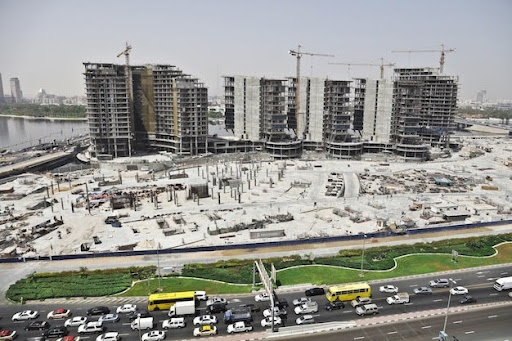
Industrial buildings power the economy, housing everything from factories and warehouses to distribution hubs and workshops. Yet building one is far more complex than putting up a large shed on a plot of land. Industrial property development involves land, regulations, heavy infrastructure, large budgets, and demanding tenants, so mistakes can be expensive. Careful planning before the first contract is signed can protect your investment and improve your chances of long-term success.
1. Location and Transport Access
Location is often the single biggest driver of value in industrial property development. Tenants want quick access to highways, ports, rail links, airports, and the workforce they depend on.
Check how trucks will enter and leave the site, whether roads can handle heavy vehicles, and whether future road works could help or hurt access. Also consider distance to suppliers and customers, since a site that saves tenants time and fuel is easier to lease and sell.
2. Zoning and Regulatory Approvals
Before buying land, confirm that industrial property development is permitted on the site. Zoning rules control permitted uses, building height, coverage, parking, and noise or emission limits, and they differ by location.
Environmental, fire safety, and building regulations add further requirements. Speak with local authorities and qualified advisers early, and allow realistic time for permits.
3. Site Conditions and Utilities
The land itself can make or break a project. Commission surveys, soil tests, drainage and flood assessments, and checks for past contamination before you commit.
Industrial property development also needs reliable power, water, sewage, and data connections with enough capacity for heavy use. If utilities must be extended or upgraded, find out who pays and how long it will take, because these costs can change the entire budget.
4. Financial Planning and Funding
A strong financial plan covers more than construction costs. Industrial property development typically includes land purchase, professional fees, approvals, insurance, financing charges, and the cost of carrying the project until tenants move in.
Build in a contingency for price increases and delays, and test your numbers against higher interest rates or slower leasing. Compare funding options carefully, and make sure you have reserves to keep the project moving if conditions become difficult.
5. Design, Specifications, and Flexibility
Tenants have practical needs, and good design reflects them. Features such as clear internal height, floor loading capacity, loading docks, truck turning space, and power supply all affect how useful the building is.
Industrial property development that allows flexible layouts and future expansion appeals to a wider range of occupiers. Also consider energy efficiency, natural light, and sustainable materials, which can reduce running costs and increase long-term appeal.
Final Thoughts
Industrial property development can be highly rewarding, but it rewards careful preparation far more than quick decisions. Throughout this guide, we have looked at the factors that shape a project from the first idea to the final handover: location and access, zoning and regulations, site conditions, financial planning, infrastructure and design, and the people who deliver the work. Each factor influences the others, so treating them separately can lead to expensive surprises later.